Category:Arthur Meyer: Difference between revisions
From Embryology
mNo edit summary |
mNo edit summary |
||
| (37 intermediate revisions by the same user not shown) | |||
| Line 1: | Line 1: | ||
[[File:Arthur William Meyer.jpg|thumb|alt=File:Arthur William Meyer.jpg|thumb|alt=Arthur William Meyer (1873 – 1966)|Arthur William Meyer (1873 – 1966)]] | |||
Arthur William Meyer (1873 – 1966) | |||
Department of Medicine Stanford University. | |||
Stanford University first full-time appointee to the faculty of the School of Medicine (1909), Professor of Anatomy and executive head of the Department until his retirement in 1938. | |||
Meyer | :'''Links:''' [[Embryology History - Arthur Meyer|Arthur Meyer]] | [[Historic Embryology Papers]] | ||
Meyer, | :"Arthur William Meyer was born August 18, 1873, near Cedarburg, Wisconsin, attended local schools, and graduated from the University of Wisconsin in 1898. After a period of teaching, he entered the Johns Hopkins University Medical School, from which he received the M.D. degree in 1905. He taught for two years at Johns Hopkins and for one year each at the University of Minnesota and Northwestern University before coming to Stanford. He was the author of "An Analysis of the Exercitationes de Generatione Animalium of William Harvey," 1936, of the "Rise of Embryology," 1939, and of many articles dealing with anatomy and embryology. He was a member of and an active participant in the activities of a number of scientific societies. The Stanford Anatomy Museum, thanks to his efforts, possesses one of the most nearly complete collections of human bones, both normal and pathological, available for study." | ||
(excerpt from [http://historicalsociety.stanford.edu/pdfmem/MeyerA.pdf Memorial Resolution] Stanford Historical Society) | |||
[[Category:People]] | |||
[[Category:People]][[Category:USA]] | |||
Latest revision as of 17:22, 2 November 2015

Arthur William Meyer (1873 – 1966)
Department of Medicine Stanford University.
Stanford University first full-time appointee to the faculty of the School of Medicine (1909), Professor of Anatomy and executive head of the Department until his retirement in 1938.
- Links: Arthur Meyer | Historic Embryology Papers
- "Arthur William Meyer was born August 18, 1873, near Cedarburg, Wisconsin, attended local schools, and graduated from the University of Wisconsin in 1898. After a period of teaching, he entered the Johns Hopkins University Medical School, from which he received the M.D. degree in 1905. He taught for two years at Johns Hopkins and for one year each at the University of Minnesota and Northwestern University before coming to Stanford. He was the author of "An Analysis of the Exercitationes de Generatione Animalium of William Harvey," 1936, of the "Rise of Embryology," 1939, and of many articles dealing with anatomy and embryology. He was a member of and an active participant in the activities of a number of scientific societies. The Stanford Anatomy Museum, thanks to his efforts, possesses one of the most nearly complete collections of human bones, both normal and pathological, available for study."
(excerpt from Memorial Resolution Stanford Historical Society)
Subcategories
This category has the following 2 subcategories, out of 2 total.
Pages in category 'Arthur Meyer'
The following 80 pages are in this category, out of 80 total.
B
- Talk:Berlin Meeting 2017 - Digital Embryology Consortium
- Book - Contributions to Embryology
- Book - Contributions to Embryology Carnegie Institution No.56
- Book - Contributions to Embryology Carnegie Institution No.56 Bibliography
- Book - Contributions to Embryology Carnegie Institution No.56 Figures
- Book - Contributions to Embryology Carnegie Institution No.56-1
- Book - Contributions to Embryology Carnegie Institution No.56-10
- Book - Contributions to Embryology Carnegie Institution No.56-11
- Book - Contributions to Embryology Carnegie Institution No.56-12
- Book - Contributions to Embryology Carnegie Institution No.56-13
- Book - Contributions to Embryology Carnegie Institution No.56-14
- Book - Contributions to Embryology Carnegie Institution No.56-15
- Book - Contributions to Embryology Carnegie Institution No.56-16
- Book - Contributions to Embryology Carnegie Institution No.56-17
- Book - Contributions to Embryology Carnegie Institution No.56-18
- Book - Contributions to Embryology Carnegie Institution No.56-2
- Book - Contributions to Embryology Carnegie Institution No.56-3
- Book - Contributions to Embryology Carnegie Institution No.56-4
- Book - Contributions to Embryology Carnegie Institution No.56-5
- Book - Contributions to Embryology Carnegie Institution No.56-6
- Book - Contributions to Embryology Carnegie Institution No.56-7
- Book - Contributions to Embryology Carnegie Institution No.56-8
- Book - Contributions to Embryology Carnegie Institution No.56-9
- Book - The Emergence of Experimental Embryology in the United States
- Book-Fathers of biology
E
M
- Meyer - Essays on the History of Embryology 1
- Meyer - Essays on the History of Embryology 10
- Meyer - Essays on the History of Embryology 11
- Meyer - Essays on the History of Embryology 2
- Meyer - Essays on the History of Embryology 3
- Meyer - Essays on the History of Embryology 4
- Meyer - Essays on the History of Embryology 5
- Meyer - Essays on the History of Embryology 6
- Meyer - Essays on the History of Embryology 7
- Meyer - Essays on the History of Embryology 8
- Meyer - Essays on the History of Embryology 9
- Meyer - The Hunters in Embryology 1
- Meyer - The Hunters in Embryology 2
- Meyer - The Hunters in Embryology 3
- Template:Meyer AW.
- Template:Meyer-embryo history Footer
- Template:Meyer-embryo history Header
- Template:Meyer-Hunters Footer
- Template:Meyer-Hunters Header
- Template:Meyer1932EmbryologyHistory links
P
- Paper - A study of the causes underlying the origin of human monsters
- Paper - Fields, graphs, and other data on fetal growth (1915)
- Paper - Meyer 1918 Franklin Paine Mall - An Appreciation
- Paper - On the nature, occurrence, and identity of the plasma cells of Hofbauer (1918)
- Paper - Retrogressive Changes in the Fetal Vessels and the Suspensory Ligament of the Liver
- Paper - Some aspects of ovarian pregnancy - with report of a case (1918)
- Paper - Studies in the pathology of development 2 (1932)
- Paper - The Debt of Human Embryology to the Practitioner
- Placenta - Histology
R
Media in category 'Arthur Meyer'
The following 200 files are in this category, out of 332 total.
(previous page) (next page) Arthur William Meyer.jpg 394 × 500; 40 KB
 Contributions to Embryology No.56.jpg 722 × 1,000; 46 KB
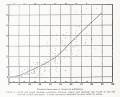 Mall Meyer1921 chart01.jpg 989 × 800; 105 KB
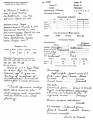 Mall Meyer1921 fig01.jpg 740 × 958; 151 KB
 Mall Meyer1921 fig02.jpg 770 × 970; 77 KB
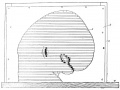 Mall Meyer1921 fig03.jpg 980 × 735; 116 KB
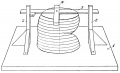 Mall Meyer1921 fig04.jpg 990 × 600; 70 KB
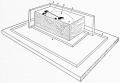 Mall Meyer1921 fig05.jpg 1,000 × 693; 97 KB
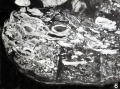 Mall Meyer1921 fig06.jpg 1,113 × 821; 223 KB
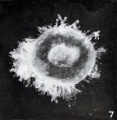 Mall Meyer1921 fig07.jpg 728 × 746; 84 KB
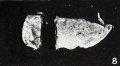 Mall Meyer1921 fig08.jpg 802 × 438; 63 KB
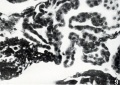 Mall Meyer1921 fig09.jpg 1,009 × 711; 134 KB
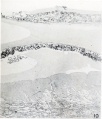 Mall Meyer1921 fig10.jpg 1,038 × 1,215; 213 KB
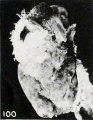 Mall Meyer1921 fig100.jpg 416 × 538; 48 KB
 Mall Meyer1921 fig101.jpg 728 × 508; 77 KB
 Mall Meyer1921 fig102.jpg 773 × 585; 128 KB
 Mall Meyer1921 fig103.jpg 718 × 534; 113 KB
 Mall Meyer1921 fig104.jpg 447 × 844; 85 KB
 Mall Meyer1921 fig105.jpg 545 × 430; 66 KB
 Mall Meyer1921 fig106.jpg 717 × 563; 119 KB
 Mall Meyer1921 fig107.jpg 491 × 461; 56 KB
 Mall Meyer1921 fig108.jpg 800 × 843; 156 KB
 Mall Meyer1921 fig109.jpg 1,205 × 682; 187 KB
 Mall Meyer1921 fig11.jpg 867 × 800; 118 KB
 Mall Meyer1921 fig110.jpg 1,018 × 890; 172 KB
 Mall Meyer1921 fig111.jpg 991 × 1,028; 141 KB
 Mall Meyer1921 fig112.jpg 1,032 × 768; 168 KB
 Mall Meyer1921 fig113.jpg 781 × 827; 171 KB
 Mall Meyer1921 fig114.jpg 647 × 749; 57 KB
 Mall Meyer1921 fig115.jpg 728 × 952; 129 KB
 Mall Meyer1921 fig116.jpg 496 × 948; 84 KB
 Mall Meyer1921 fig117.jpg 707 × 954; 126 KB
 Mall Meyer1921 fig118.jpg 1,236 × 760; 149 KB
 Mall Meyer1921 fig119.jpg 1,054 × 819; 128 KB
 Mall Meyer1921 fig12.jpg 747 × 1,000; 165 KB
 Mall Meyer1921 fig120.jpg 946 × 804; 124 KB
 Mall Meyer1921 fig121.jpg 923 × 915; 239 KB
 Mall Meyer1921 fig122.jpg 1,071 × 803; 151 KB
 Mall Meyer1921 fig123.jpg 1,053 × 948; 208 KB
 Mall Meyer1921 fig124.jpg 964 × 752; 121 KB
 Mall Meyer1921 fig125.jpg 1,004 × 647; 130 KB
 Mall Meyer1921 fig126.jpg 950 × 944; 166 KB
 Mall Meyer1921 fig127.jpg 771 × 911; 108 KB
 Mall Meyer1921 fig128.jpg 1,198 × 1,013; 281 KB
 Mall Meyer1921 fig129.jpg 577 × 756; 69 KB
 Mall Meyer1921 fig13.jpg 1,100 × 800; 126 KB
 Mall Meyer1921 fig130.jpg 791 × 654; 128 KB
 Mall Meyer1921 fig131.jpg 598 × 659; 94 KB
 Mall Meyer1921 fig132.jpg 840 × 838; 168 KB
 Mall Meyer1921 fig133.jpg 365 × 610; 40 KB
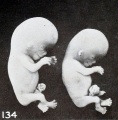 Mall Meyer1921 fig134.jpg 654 × 666; 76 KB
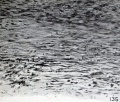 Mall Meyer1921 fig135.jpg 1,012 × 859; 189 KB
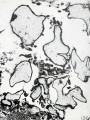 Mall Meyer1921 fig136.jpg 874 × 1,170; 191 KB
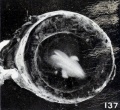 Mall Meyer1921 fig137.jpg 743 × 682; 108 KB
 Mall Meyer1921 fig138.jpg 1,109 × 962; 180 KB
 Mall Meyer1921 fig139.jpg 1,228 × 695; 177 KB
 Mall Meyer1921 fig14.jpg 843 × 648; 69 KB
 Mall Meyer1921 fig140.jpg 464 × 617; 54 KB
 Mall Meyer1921 fig141.jpg 700 × 509; 72 KB
 Mall Meyer1921 fig142.jpg 573 × 650; 89 KB
 Mall Meyer1921 fig143.jpg 626 × 686; 97 KB
 Mall Meyer1921 fig144.jpg 550 × 623; 77 KB
 Mall Meyer1921 fig145.jpg 603 × 461; 41 KB
 Mall Meyer1921 fig146.jpg 800 × 533; 88 KB
 Mall Meyer1921 fig147.jpg 508 × 770; 79 KB
 Mall Meyer1921 fig148.jpg 390 × 407; 28 KB
 Mall Meyer1921 fig149.jpg 260 × 289; 16 KB
 Mall Meyer1921 fig15.jpg 816 × 700; 95 KB
 Mall Meyer1921 fig150.jpg 232 × 285; 12 KB
 Mall Meyer1921 fig151.jpg 330 × 550; 32 KB
 Mall Meyer1921 fig152.jpg 426 × 518; 39 KB
 Mall Meyer1921 fig153.jpg 539 × 433; 56 KB
 Mall Meyer1921 fig154.jpg 548 × 500; 67 KB
 Mall Meyer1921 fig155.jpg 365 × 800; 46 KB
 Mall Meyer1921 fig156.jpg 306 × 631; 37 KB
 Mall Meyer1921 fig157+158.jpg 1,080 × 900; 126 KB
 Mall Meyer1921 fig159.jpg 1,000 × 492; 68 KB
 Mall Meyer1921 fig16.jpg 502 × 397; 28 KB
 Mall Meyer1921 fig160.jpg 655 × 555; 84 KB
 Mall Meyer1921 fig161.jpg 580 × 800; 105 KB
 Mall Meyer1921 fig162.jpg 623 × 1,000; 110 KB
 Mall Meyer1921 fig163.jpg 583 × 424; 41 KB
 Mall Meyer1921 fig164.jpg 633 × 577; 51 KB
 Mall Meyer1921 fig165.jpg 574 × 493; 36 KB
 Mall Meyer1921 fig166.jpg 605 × 473; 54 KB
 Mall Meyer1921 fig167.jpg 781 × 572; 66 KB
 Mall Meyer1921 fig168.jpg 480 × 644; 48 KB
 Mall Meyer1921 fig169.jpg 588 × 863; 68 KB
 Mall Meyer1921 fig17.jpg 467 × 315; 22 KB
 Mall Meyer1921 fig170.jpg 815 × 634; 87 KB
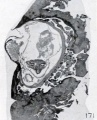 Mall Meyer1921 fig171.jpg 537 × 666; 67 KB
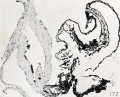 Mall Meyer1921 fig172.jpg 872 × 704; 111 KB
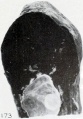 Mall Meyer1921 fig173.jpg 487 × 700; 54 KB
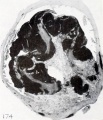 Mall Meyer1921 fig174.jpg 592 × 692; 74 KB
 Mall Meyer1921 fig175.jpg 641 × 786; 67 KB
 Mall Meyer1921 fig176.jpg 537 × 807; 70 KB
 Mall Meyer1921 fig177.jpg 748 × 627; 135 KB
 Mall Meyer1921 fig178.jpg 754 × 620; 118 KB
 Mall Meyer1921 fig179.jpg 634 × 326; 35 KB
 Mall Meyer1921 fig18.jpg 619 × 605; 62 KB
 Mall Meyer1921 fig180.jpg 442 × 478; 32 KB
 Mall Meyer1921 fig181.jpg 372 × 600; 46 KB
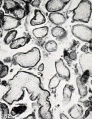 Mall Meyer1921 fig182.jpg 630 × 817; 126 KB
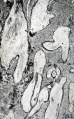 Mall Meyer1921 fig183.jpg 545 × 880; 144 KB
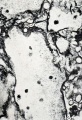 Mall Meyer1921 fig184.jpg 495 × 725; 95 KB
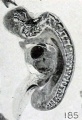 Mall Meyer1921 fig185.jpg 341 × 500; 36 KB
 Mall Meyer1921 fig186.jpg 392 × 508; 35 KB
 Mall Meyer1921 fig187.jpg 375 × 650; 31 KB
 Mall Meyer1921 fig188.jpg 439 × 506; 43 KB
 Mall Meyer1921 fig189.jpg 208 × 241; 10 KB
 Mall Meyer1921 fig19.jpg 808 × 875; 134 KB
 Mall Meyer1921 fig190.jpg 256 × 320; 14 KB
 Mall Meyer1921 fig191.jpg 262 × 293; 15 KB
 Mall Meyer1921 fig192.jpg 303 × 396; 21 KB
 Mall Meyer1921 fig193.jpg 222 × 261; 12 KB
 Mall Meyer1921 fig194.jpg 199 × 273; 12 KB
 Mall Meyer1921 fig195.jpg 309 × 398; 25 KB
 Mall Meyer1921 fig196.jpg 336 × 510; 27 KB
 Mall Meyer1921 fig197.jpg 240 × 366; 16 KB
 Mall Meyer1921 fig198.jpg 344 × 469; 30 KB
 Mall Meyer1921 fig199.jpg 227 × 495; 23 KB
 Mall Meyer1921 fig20.jpg 839 × 1,000; 155 KB
 Mall Meyer1921 fig200.jpg 325 × 475; 31 KB
 Mall Meyer1921 fig201.jpg 238 × 343; 16 KB
 Mall Meyer1921 fig202.jpg 300 × 396; 22 KB
 Mall Meyer1921 fig203.jpg 299 × 658; 38 KB
 Mall Meyer1921 fig204.jpg 272 × 440; 22 KB
 Mall Meyer1921 fig205.jpg 238 × 398; 18 KB
 Mall Meyer1921 fig206.jpg 202 × 318; 13 KB
 Mall Meyer1921 fig207.jpg 297 × 408; 22 KB
 Mall Meyer1921 fig208.jpg 304 × 500; 30 KB
 Mall Meyer1921 fig209.jpg 292 × 422; 24 KB
 Mall Meyer1921 fig21.jpg 849 × 888; 131 KB
 Mall Meyer1921 fig210.jpg 240 × 379; 17 KB
 Mall Meyer1921 fig211.jpg 212 × 470; 18 KB
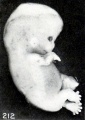 Mall Meyer1921 fig212.jpg 400 × 564; 38 KB
 Mall Meyer1921 fig213.jpg 328 × 527; 29 KB
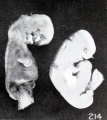 Mall Meyer1921 fig214.jpg 470 × 525; 46 KB
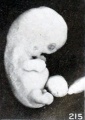 Mall Meyer1921 fig215.jpg 348 × 492; 31 KB
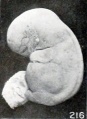 Mall Meyer1921 fig216.jpg 334 × 458; 27 KB
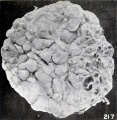 Mall Meyer1921 fig217.jpg 645 × 660; 82 KB
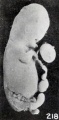 Mall Meyer1921 fig218.jpg 291 × 593; 31 KB
 Mall Meyer1921 fig219.jpg 255 × 642; 28 KB
 Mall Meyer1921 fig22.jpg 525 × 669; 67 KB
 Mall Meyer1921 fig220.jpg 227 × 450; 17 KB
 Mall Meyer1921 fig221.jpg 460 × 323; 24 KB
 Mall Meyer1921 fig222.jpg 423 × 276; 19 KB
 Mall Meyer1921 fig223.jpg 562 × 705; 80 KB
 Mall Meyer1921 fig224.jpg 440 × 551; 43 KB
 Mall Meyer1921 fig225.jpg 340 × 594; 29 KB
 Mall Meyer1921 fig226.jpg 485 × 668; 59 KB
 Mall Meyer1921 fig227.jpg 520 × 515; 49 KB
 Mall Meyer1921 fig228.jpg 466 × 702; 52 KB
 Mall Meyer1921 fig229.jpg 760 × 431; 64 KB
 Mall Meyer1921 fig23.jpg 381 × 609; 39 KB
 Mall Meyer1921 fig230.jpg 281 × 379; 21 KB
 Mall Meyer1921 fig231.jpg 656 × 523; 72 KB
 Mall Meyer1921 fig232.jpg 408 × 405; 39 KB
 Mall Meyer1921 fig233.jpg 551 × 530; 56 KB
 Mall Meyer1921 fig234.jpg 331 × 793; 46 KB
 Mall Meyer1921 fig235.jpg 1,013 × 793; 121 KB
 Mall Meyer1921 fig236.jpg 876 × 959; 112 KB
 Mall Meyer1921 fig237.jpg 1,008 × 729; 146 KB
 Mall Meyer1921 fig238.jpg 947 × 509; 63 KB
 Mall Meyer1921 fig239.jpg 537 × 865; 93 KB
 Mall Meyer1921 fig24.jpg 928 × 775; 110 KB
 Mall Meyer1921 fig240.jpg 640 × 792; 84 KB
 Mall Meyer1921 fig241.jpg 688 × 988; 103 KB
 Mall Meyer1921 fig242.jpg 341 × 469; 30 KB
 Mall Meyer1921 fig243.jpg 362 × 549; 38 KB
 Mall Meyer1921 fig244.jpg 379 × 516; 36 KB
 Mall Meyer1921 fig245.jpg 608 × 604; 76 KB
 Mall Meyer1921 fig246.jpg 867 × 593; 136 KB
 Mall Meyer1921 fig247.jpg 482 × 564; 74 KB
 Mall Meyer1921 fig248.jpg 573 × 645; 84 KB
 Mall Meyer1921 fig249.jpg 549 × 556; 69 KB
 Mall Meyer1921 fig25.jpg 433 × 607; 38 KB
 Mall Meyer1921 fig250.jpg 309 × 528; 38 KB
 Mall Meyer1921 fig251.jpg 432 × 516; 35 KB
 Mall Meyer1921 fig252.jpg 488 × 394; 43 KB
 Mall Meyer1921 fig253.jpg 573 × 394; 50 KB
 Mall Meyer1921 fig254.jpg 464 × 386; 28 KB
 Mall Meyer1921 fig255.jpg 546 × 576; 68 KB
 Mall Meyer1921 fig256.jpg 734 × 742; 109 KB
 Mall Meyer1921 fig257.jpg 1,001 × 573; 116 KB
 Mall Meyer1921 fig258.jpg 397 × 616; 51 KB
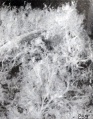 Mall Meyer1921 fig259.jpg 560 × 719; 88 KB
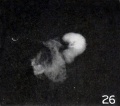 Mall Meyer1921 fig26.jpg 513 × 453; 33 KB
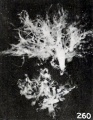 Mall Meyer1921 fig260.jpg 439 × 565; 56 KB
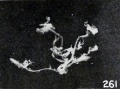 Mall Meyer1921 fig261.jpg 460 × 341; 33 KB
 Mall Meyer1921 fig262.jpg 591 × 673; 87 KB
 Mall Meyer1921 fig263.jpg 369 × 628; 51 KB
 Mall Meyer1921 fig264.jpg 451 × 360; 29 KB
 Mall Meyer1921 fig265.jpg 432 × 409; 38 KB
 Mall Meyer1921 fig266.jpg 474 × 447; 47 KB
 Mall Meyer1921 fig267.jpg 480 × 380; 39 KB
 Mall Meyer1921 fig268.jpg 758 × 458; 82 KB
 Mall Meyer1921 fig269.jpg 471 × 416; 43 KB
 Mall Meyer1921 fig27.jpg 833 × 788; 101 KB
 Mall Meyer1921 fig270.jpg 585 × 602; 83 KB


